16/01/2006

Mat Maneri - Pentagon

Thirsty Ear


Rating: 10/10

This is Mat Maneri’s third Blue Series installment, and comes as Easter eggs around Christmas time. Not one to sit idle for long, Maneri has a fine treat for all lovers of jazz impressionism. His violin playing is mesmerizing, and his attention to detail is so anti-scholastic that it arranges room for others to sit and learn. Shuffling through the entire album, one must note the sweeping, bruised grace of Maneri’s vault-scrappings on “Inslut”, which makes up one of the very best offerings of recent memory in the jazz/hip-hop intersection.

There is no filler to be found on Pentagon, and it is safe to say that a year or two from now it will remain a classic in its own right. It does reveal cracks at its edges, though, notably on disassembled gems like “Third Hand – The Fallen”, but little imperfections were never supposed to blunt the core of creativity. From the blurring landscape that the aforementioned track triggers, to the earthy laments of “Howl in My Head/Motherless Child”, Maneri proves to be the wizard that astutely augments the flutter on the tape to make it pass through the portals of escapism that his music forces open.

Cuts like “Witches Woo” should be played at an insanely high volume, so as to allow its instrumental howls to blossom, neatly interchanged with the microtonal strings. This record also features Thirsty Ear veterans Craig Taborn (on Fender Rhodes and laptop) and Tom Rainey (on drums) alongside Mat’s world-renowned father, Joe Maneri (organs, acoustic and electric pianos, alto sax, and voice). But it is Indian master musician T.K. Ramakrishnan’s mridungdum (aka mridangam, which is the South Indian complement to the pakhawaj and the most important drum of the Carnatic music) that sprinkles the jazzy numbers with magic, percussive garnish.

Stating that Maneri’s violin at times resembles “a human voice”, as the press release does, is not overheating the hype to make the musician profitable in the industry; it’s underlining the provocative style of someone who feels his heart beat mightily where his fingers are. In this sense, there’s a theoretical shamanism going on throughout the record (even if it includes abstract titles like “The War Room” or “An Angel Passes By”), which almost builds an electronic chapel in which tribute can be paid to its pagan gods.

A female, pristine-like voice (credited to Sonja, another member of the Maneri clan) erupts on “Howl in My Head/Motherless Child”, but its presence is merely decorative as the instruments executed here are like syllables tossed out of their collective mouths. Later on, the title track brings back that human touch through Joe’s voice, pasted onto a background of percussive, surreal effects.

Please mind my words: these are not party-tested beats, but rather a suitable compagnon de route for those times when you’re driving late at night; or when you’re smoking the post-coital cigarette with your loved one. Maybe you’ll find a handful of records this year that rival Pentagon in those departments, but few provide as convincing an argument as Maneri's offering, for either instance.

Pentagon is a tour de force, and I do not state lightly that the contemporary jazz history may require complete redrafting in light of it. It may be just me, but this sounds like the jazz intellectual’s next wet dream; and if this is not a good reason for the books to be rewritten, I don’t know what it is.

http://www.lostatsea.net/review.phtml?id=30543589143cbcfc6e7419

10/01/2006

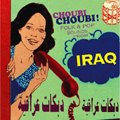
Various Artists - Choubi Choubi! Folk & Pop Sounds From Iraq

Sublime Frequencies


Rating: 9/10

World music from a specific country is like a river running through the alluvial floodplain of the communal fruition of cultural forms. The Sublime Frequencies label has been collecting sights and sounds from around the world with the intent of shedding some light on the unknown cultural works from non-Western countries. Without proper recordings, these forms of art, culture and tradition have a rather unfortunate tendency to disappear. Fortunately, Sublime Frequencies have taken up the cause with their catalogue of field recordings, found sounds, and all other means of capturing the essence of a people or a region. Compiled by Mark Gergis, this collection of folk and pop songs from Iraq is a notable one, especially in the face of Iraq's impending Westernization and national reform.

First off, let’s clarify the concept that the title encloses: choubi is an Iraqi musical style which puts an incantatory rhythm at the forefront of the musical mantra, and which sometimes includes double reeded instruments, a menacing bass, tribal percussion, disarranged keyboards, and even fiddles and oud (this being an instrument of northern Africa and southwest Asia that resembles a lute).

According to Sublime Frequencies, other traditional styles augmenting the reach of choubi's signature beat are the basta (an urban style from Baghdad), the bezikh (there’s even a song called "Segue Bezikh"), the hecha, and the mawal ("a vocal improv that sets the tone of a song, regardless of the style"). And there’s also the syncopated work of a unique nomadic hand drum called a khishba, or zanbour, which is the Arabic word for "wasp".

Three of the 16 cuts on Choubi Choubi! are taken from Ja’afar Hassan’s 1970s album Let’s Sing Together, and those are without doubt the most menacing tracks in the record, although they perfectly glue together with the rest. The important thing is that you can tell whenever Hassan is singing, be it the notable opener "They Taught Me," the in-your-face "Front My Hope," or the beautiful "Palestinian", which resonates with the energy of the Iraqi Socialist movement, which Ja’afar Hassan was very active with until the arrival, just a few years later, of Saddam Hussein.

Some of these songs are not credited to any specific author. One half of the record is indeed of unknown origin, which adds a mysticism to the whole endeavor. Being relegated to anonymity, cuts like "Oh Mother, the Handsome Man Tortures Me" or "Ahl Al Aqi (Oh, People of Reason)" acquire a fascinating state that elicits concern for the singer's plight from collective being. The interesting thing about this release, besides its obvious autochthonous importance, is the politically informed core of every song. Most of the music collected here was produced during the Saddam period, i.e. between 1980s and 2002.

Selected from Iraqi cassettes and LPs found in Syria, Europe and even the Iraqi neighbourhoods of Detroit, Michigan, Choubi Choubi! is a traditional journey through a little fraction of the Arabic world, which utilizes the political subtext to sow a message in the listener’s head. Never mind the arcane film scores of the video games that squeeze their guts so hard to sound authentic, for this is the real deal. Sure a misinformed neighbour of yours may mistake you for a terrorist whenever the record is pumping, but that’s the price you’ll have to pay.

http://www.lostatsea.net/review.phtml?id=111672115243c27f82ec072

08/01/2006

Last Night a DJ Saved My Life : #1

7-8 Janeiro 2006 (00-01h)

01 Lotek HiFi – What You See
02 DJ Flack – Meet Mr Doobie
03 Massive Attack – Man Next Door
04 Thievery Corporation – Lebanese Blonde
05 Evolver – The Proper Word
06 M.I.A. – Bucky Done Gun
07 Anita O'Day – Sing, Sing, Sing (RSL Remix)
08 Heather Duby & Elemental – Love You More
09 Bent – I Love My Man
10 DJ Osirus & Mr. Dibbs – Listen
11 Snowpony – Starfish (Dub Version)
12 Rhythm & Sound – See Mi Version

15/12/2005

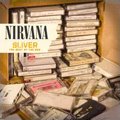
Nirvana - Sliver - Best of the Box

Geffen


Rating: 5/10

Anyone familiar with the intricacies present in Bleach, Nirvana’s debut record, will tell you how different it sounds from the great rock n’ roll swindle that followed, Nevermind. Songs like "Floyd the Barber" and "Paper Cuts" seemed to surrender themselves to the slippery purgatory of college radio. At least, that’s what happened with Dinosaur Jr. and The Melvins.

To put a long story in a small paragraph, let’s just say that, a few years after formation, Nirvana inadvertently left their insurrectionary status as a band from Aberdeen, Washington, and toured the world. From transgressive art vandals, Nirvana became pop stars. In the end, Kurt Cobain took his own life and another rock mimesis act was accomplished. And after Nirvana, no band was ever capable of outdoing the legacy inherited.

I know it sounds terribly lame and everything in music (and art, for that matter) has to be put in some kind of perspective - and I do have a perspective, but choose the emotional one whenever Nirvana is the subject. But that doesn’t stop me from stating that nothing reverential has to be said about Sliver: The Best of the Box. As the title suggests, this release is a brief summary of last year’s much-balyhooed boxed set, With the Lights Out.

That, of course, and three previously unreleased tracks, but that is too weak of an argument to put an album out. Sure it’s always a delight to hear "Clean Up Before She Comes" or their cover of Leadbelly’s "Ain’t It a Shame", but it must be really frustrating for the diehard fan to purchase an album with 19 (out of 22) tracks that were released the year before. But mind you, that’s how the music industry works. Besides, Christmas is fast approaching.

What really sets the tone for a record that, otherwise, would sound merely revisionist (and, in a way, this surely is) is the first track. Unreleased before the Geffen marketing machine roared to life, aiming to put a hand or two in your wallet, "Spank Thru" is one hell of a track. Particularly because this is the version taken from the now mythical Fecal Matter demo tape, released in 1985 and featuring Cobain on guitar and vocals, and Dale Crover (of the mighty Melvins) on bass and drums.

The second reason why this makes any sense is "Sappy", a studio recording from 1990, which is a candelabrum of a song that documents Kurt Cobain’s love for the folksy side of music. This one here crosses his poppy voice with a bassline reminiscent of Motown. Ironically, this is the sort of music most fans of Nirvana’s more oblique side will have to grit their teeth to get through.

Finally, the pre-Nevermind, rougher version of "Come As You Are" included here lacks the rhythmic anchor of the more polished versions of the track. It doesn’t set things on a knife edge as most Nirvana tracks do. Besides, this is the kind of tune that deserved a less-abrupt ending, one that would serve as a proper instrumental postscript.

To really break it down for you, let me just say that if you haven’t bought With the Lights Out, don’t make the mistake of trying use this compilation as a surrogate. Save a few more bucks and get the real deal. If you are a devoted fan, you may want to consider getting this for the meager novelties it encloses but, at the end of the day, you will agree that Sliver: The Best of the Box is just a pair of sloppy brackets encapsulating ever more interesting takes, still hidden in the vault. This is clear for anyone who knows which end of a guitar goes through the amp.

http://www.lostatsea.net/review.phtml?id=927236035439e7038d0740

NEU! - NEU! / NEU! 2 / NEU! 75

1972 / 1973 / 1975 (2005)

Gronland Records/Popstock!

Chamaram-lhe shoegaze porque as bandas tocavam imóveis enquanto fixavam os olhos no chão do palco. Esta é uma das pistas possíveis para redescobrir os NEU! mas não é talvez a mais correcta. Quando se reeditam os três álbuns com que fizeram história (na verdade, são dois mais um, mas já lá vamos), importa situar a formação germânica num conceito-chave: o “motorik”, um tipo de som industrial que soa às engrenagens que fizeram falta nalguma da cinematografia de Chaplin. Assim sendo, e indo um pouco mais à frente na árvore de conceitos, encontramos outro para designar os dissidentes kraftwerkianos: nem mais nem menos que “krautrock”. Mas relativamente a esse terão de repartir louros com uns Faust ou uns Can. O rigor de enquadramento oblige.

A cidade de Düsseldorf pariu-os em 1971, depois de Klaus Dinger e Michael Rother terem abortado nos Kraftwerk. No início do ano seguinte, os NEU! lançavam o disco homónimo de estreia. Gravado com Conrad Plank, produtor com os Can no cabeçalho do currículo, NEU! é a cábula a que se recorre quando o que importa é perceber as matizes do krautrock. Até porque, como veremos adiante, foi o único trabalho gravado em condições ditas “normais”, se descontarmos o facto de ter sido gravado em apenas quatro dias. Lapso de tempo manifestamente curto para apurar estruturas tão complexas quanto as que se declinam, por exemplo, em “Negativland”.

Imaginemos um fio de contas em que cada uma destas se desmultiplica em outras tantas e estas últimas teimam em constituir família. Daí até se decantar de cada tema uma nebulosa de espirais de guitarra, uma percussão maquínica, um baixo descomplexado mas parco nas notas, um sentido de comunidade, nem que seja entre roldanas e parafusos, locomotivas e trovões (um deles até cunhou a expressão “apache beat” para definir o som que faziam no interior da banda) é um pequeníssimo passo e um salto grande na direcção de abrir novos caminhos. Para pôr as coisas numa perspectiva histórica, diríamos, sem grandes achaques, que sem os NEU! nunca os My Bloody Valentine ou os Stereolab teriam existido, ou, a existirem, seriam certamente pouco mais do que interessantes.

Mas ao disco o que é do disco: um Dinger endiabrado a levar a bateria ao céu, a fazer descer sobre as nossas cabeças uma Via Láctea de peles esticadas ao invés de as fazer seguir pela Via Verde. A música é lenta mas tocada a um volume impossível, denso, nada circunstancial, aglomerador de empatias e ouvidos em sangue. É aqui que devem procurar as bases fundadoras desse estilo barroco de tocar alto e devagar. Já o baixo de Rother é da ordem de grandeza de uma rede de pesca para peixe graúdo, em cujos nós ficam suspensas linhas de guitarras que são protagonistas nos sonhos húmidos dos melómanos que nunca calçam o sapato errado. Mas não vejam na pintura pinceladas de virtuosismo desmesurado: só para terem uma ideia, “Hallogallo” é o mesmo acorde de guitarra em distintas variações. Por aqui até parece simples ser-se complexo.

E, no entretanto, enquanto o disco evolui – aqui sem metade da piada da edição original, porque nesta tinha que se mudar de lado –, aquilo que se afere é um estado liquefeito, quase de narratividade, apesar dos drones afoitos, do feedback a rodos e de fades capazes de deixar qualquer produtor mais académico com os nervos à flor da pele. O eco, empilhado em montanhas de outros efeitos, e um toque despudoradamente industrial estão para “Im Glück” como o carimbo de “essencial” está para o resto do disco. Mas isto foi só o princípio do fim.

Em 1973, era NEU! 2 que saía para alemão ver (note-se que, durante o período de carburação da máquina, os sons foram de difícil exportação para lá da Alemanha Ocidental). Com prazos muito difíceis de cumprir e um orçamento dificilmente deduzível em sede de IRS, este segundo tomo conta apenas duas canções acabadas: “Super” e “Neuschnee”. E é isto. Bom, isto mais umas sobras e diferentes velocidades para aqueles temas para encher um disco e fazê-lo seguir para as lojas.

Ou seja, tudo o que seria frontalmente dispensado por músicos sem vocação para o suicídio, todas as imperfeições, as minudências de estúdio – tipo o som da fita de cassete a sucumbir ao traquejo do gravador ou o tradicional ruído de disco riscado – fizeram uma aparição fulgurante num disco que também começou a dar mostras do aflorar de problemas internos. Vale sobretudo pelo “statement” absolutamente contra-sistema que representa, bem mais do que pelos retalhos de experimentação avulsa que seguiram para serem prensados.

Claro que os tais problemas no seio dos NEU! deram em bronca e a bronca deu em reunião, que por sua vez deu em disco – NEU! 75 de 1975 e nova separação. Depois, Rother começou uma carreira a solo, Dinger e Hans Lampe começaram os La Düsseldorf, nova reunião dos NEU! na década de 80 e compasso de espera até ser editado NEU! 4, em 1996. Mas a história que aqui se conta termina ali em cima, em 75. Arrumemo-lo pois em três ou quatro frases porque até é o menos interessante do material reeditado. Despachemos já a faixa alienígena: “Hero” é tão desajustada que mais parece hino punk à Johnny Rotten (e o pior é que acaba com o chilrear de pássaros). “Isi” é New Order para a estrada. O disco fica salvo por “E-Musik”, tema sombrio, sequenciadores no sítio certo, fogo de artifício rítmico, com uma verdadeira noção de perspectiva, espaço e vagas dentro do som. Noves fora, será sempre um prazer ouvir os NEU!, sentir-lhes os ossos e as articulações de novo e reaprender, a cada escuta, a gostar de música. Trinta anos depois. Antes mesmo de muitos de nós termos nascido ou aprendido a gostar da música que interessa.

http://www.bodyspace.net/album.php?album_id=557